Category: TerraFractal
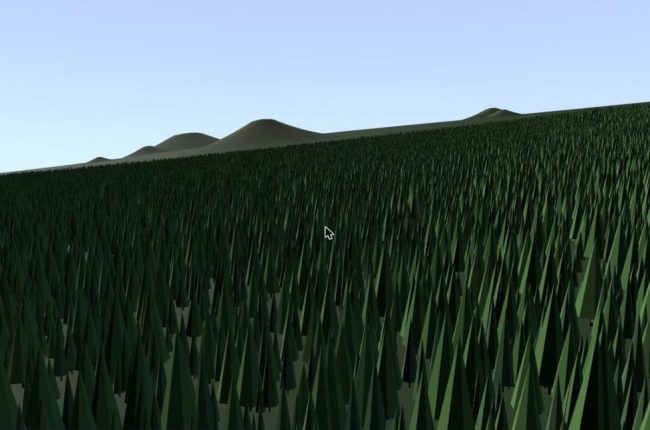
A forest has to look right from a few metres and from a few hundred kilometres. No single way of drawing trees can do both, so there are several, and the hard part is making…
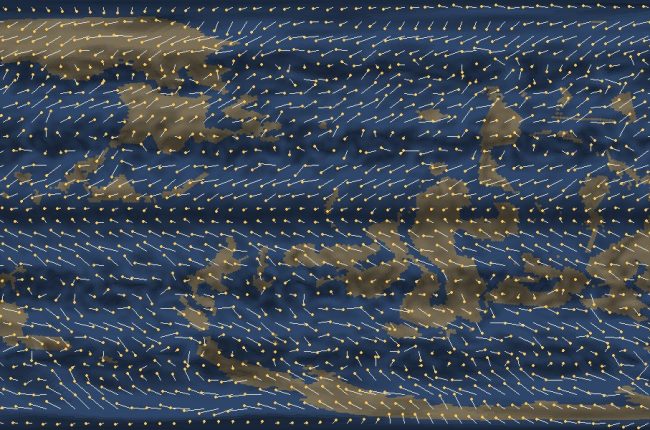
Climate decides most of what you see on a planet: where the forests and deserts are, where the snow sits, how hard the rivers cut. In TerraFractal it’s simulated, not painted. What the climate model…
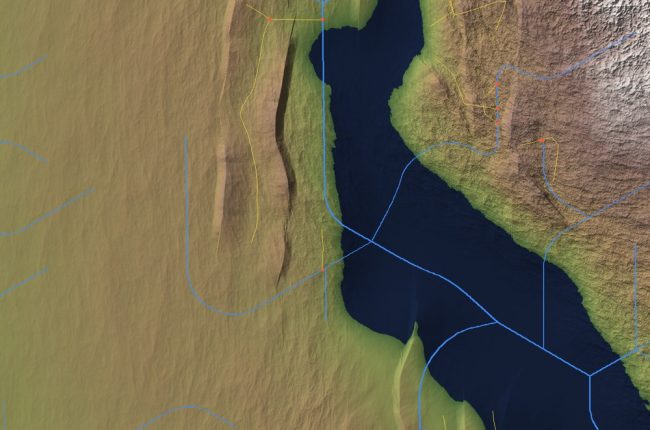
The drainage work is the hard part, but most of what you see is landforms: fold belts, rifts, escarpments, volcanoes, craters. Each one comes from something the simulation recorded, and each has to leave the…
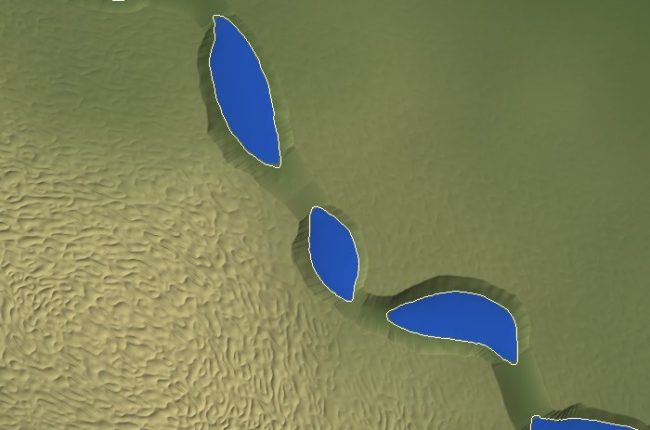
With the function-first design in place, the test became simple: stand in a stream and look. The first time I did, the water surface stepped up and down between tiles, ran uphill, and stood on…
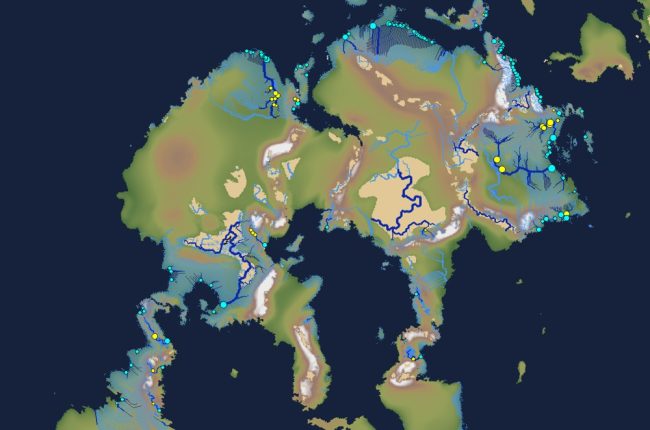
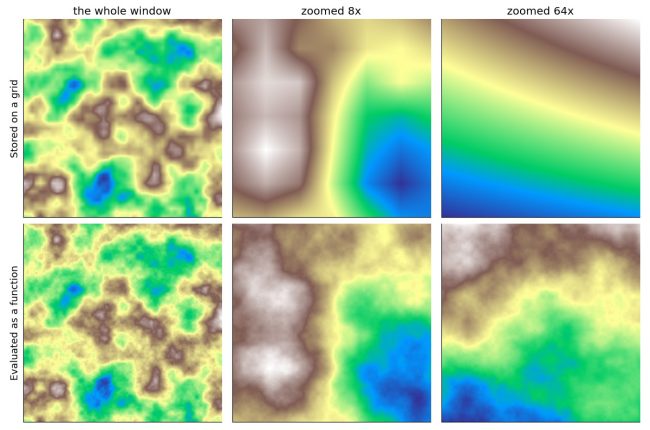
The current approach starts from a different rule: below the landmass scale, height is a function. Give it a position and what was handed down from above, and it returns the ground. No solving with…
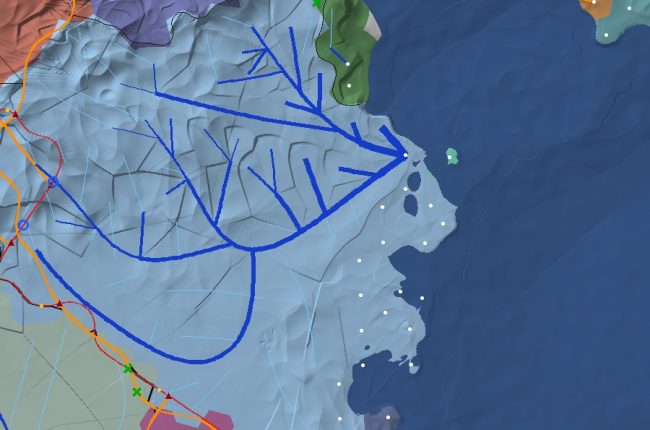
If the rivers had nothing to negotiate with in the lowlands, the answer seemed to be: grow the features and the rivers together. The plan At each scale, starting from the largest: The hope was…
After noise, I tried building the landscape from structures. Not “add bumps and fix the rivers”, but “decide where the crests, divides and rivers are, then make ground that fits them”. I called these constraints.…
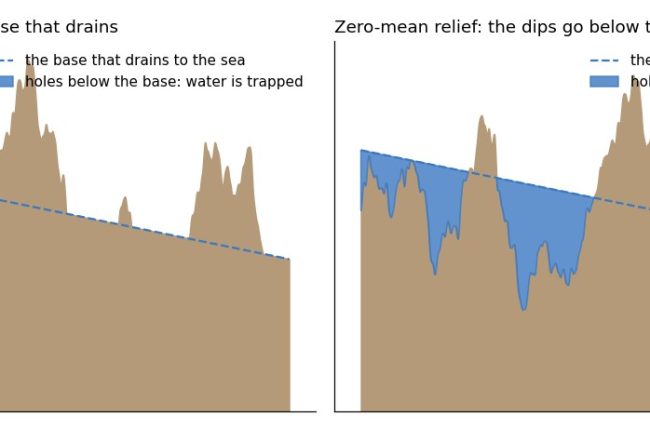
The first version of the refinement did what most terrain generators do. Take the simulated surface, and add octaves of noise on top, scaled by what the simulation said: more for young mountains, less for…
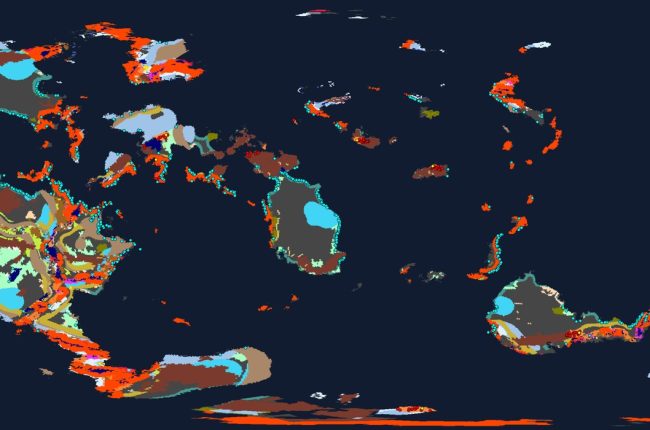
The bottom layer of TerraFractal is a simulation of the whole planet through its history. It decides where things are. Everything later decides what they look like. What it simulates Plates move, collide and rift…
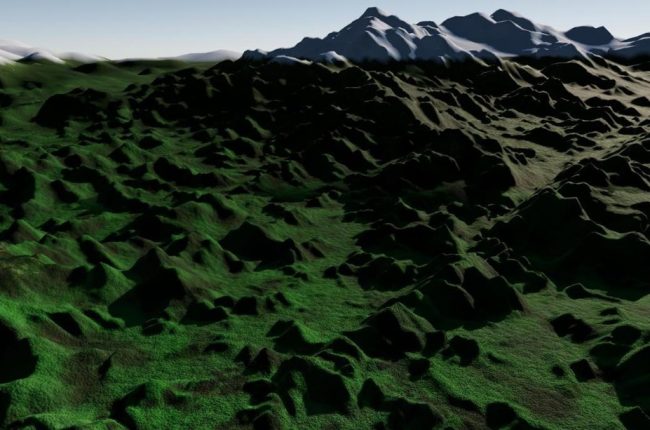
TerraFractal is a planet generator. The goal is a whole world you can fly over from orbit and then walk across, where every hill, valley and stream is there because of something larger: the plates,…